The digital twin goes beyond a simple virtual replica to become a dynamic simulator managing the entire life cycle, from eco-design to recycling. This technology transforms resource management by making it possible to test circular scenarios risk-free, extending equipment lifespan while optimizing its environmental footprint.
As pressure on raw materials intensifies, how can a digital twin for the circular economy secure your industrial model without jeopardizing existing production? We look at how this virtual replica goes beyond simple modeling to become a strategic asset able to validate your reuse scenarios and extend the lifespan of your equipment. Read on for the keys to anticipating your future flows and turning your environmental constraints into drivers of financial performance.
More than a copy, a circularity simulator
Defining the virtual asset for real impact
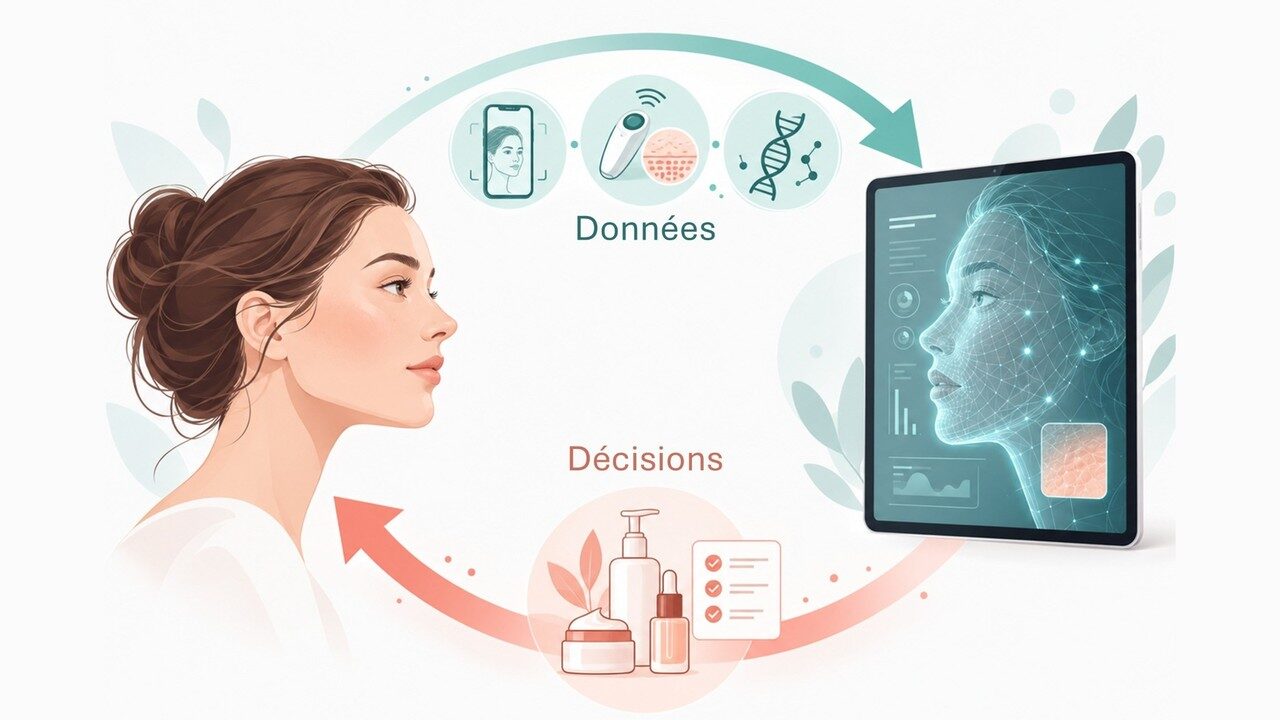
Do not mistake this tool for a simple, inert 3D mockup. The digital twin is a dynamic virtual replica of your machines or entire infrastructures. It is continuously fed with real-time data from your IoT sensors. It is an active, living double.
Its purpose is to reproduce the exact behavior of the physical object throughout its existence. This living copy is the technical foundation for applying the principles of the circular economy in concrete terms. Theory finally gives way to practice.
This faithful mirror lets you see and understand the invisible. You gain control over what was previously beyond your grasp.
Testing circular models without risk
Its real value lies in advanced simulation capabilities. You test “what if?” scenarios in the virtual world before spending a single euro in the real one. Mistakes cost “nothing” here.
Simulate replacing a material with a more recyclable option. Analyze the gain if you move from selling to a rental model. The software calculates the direct financial and environmental impact. The digital twin validates the viability of these choices, particularly from a circular economy standpoint.
This predictive capability turns the technology into a strategic decision-making tool. The transition to sustainability becomes a rational calculation.
Managing the full life cycle of products and infrastructure
Having seen how the digital twin enables simulation, let’s now look at how it applies concretely to every stage of a product’s life.
From eco-design to predictive maintenance
From the eco-design phase onward, the digital twin changes the game. We no longer select materials just for their raw performance, but for their durability and recyclability.
Next comes use in the field. Thanks to the data, the tool anticipates failures well before disaster strikes. This is predictive maintenance: repairs happen before things break, extending equipment lifespan.
This approach takes on planned obsolescence head-on and maximizes the value of the asset.
Organizing a second life: smart reuse and recycling
When a product reaches the end of its journey, its virtual double holds its complete “health record”. It knows exactly what the product is made of and how worn each part is.
This information is vital for deciding on the best end-of-life strategy: reuse, dismantling for parts, or recycling.
Combining the digital twin and the circular economy lets you pull several levers:
- Identify reusable components to feed them back into production.
- Guide dismantling to cleanly separate the different materials.
- Assess the quality of recycled materials to find them a new use.
- Optimize the collection and processing logistics for end-of-life products.
A strategic weapon for resource governance
Beyond the individual product, the digital twin changes the game at scale: it lets you manage all of your flows.
Mapping flows to hunt down waste
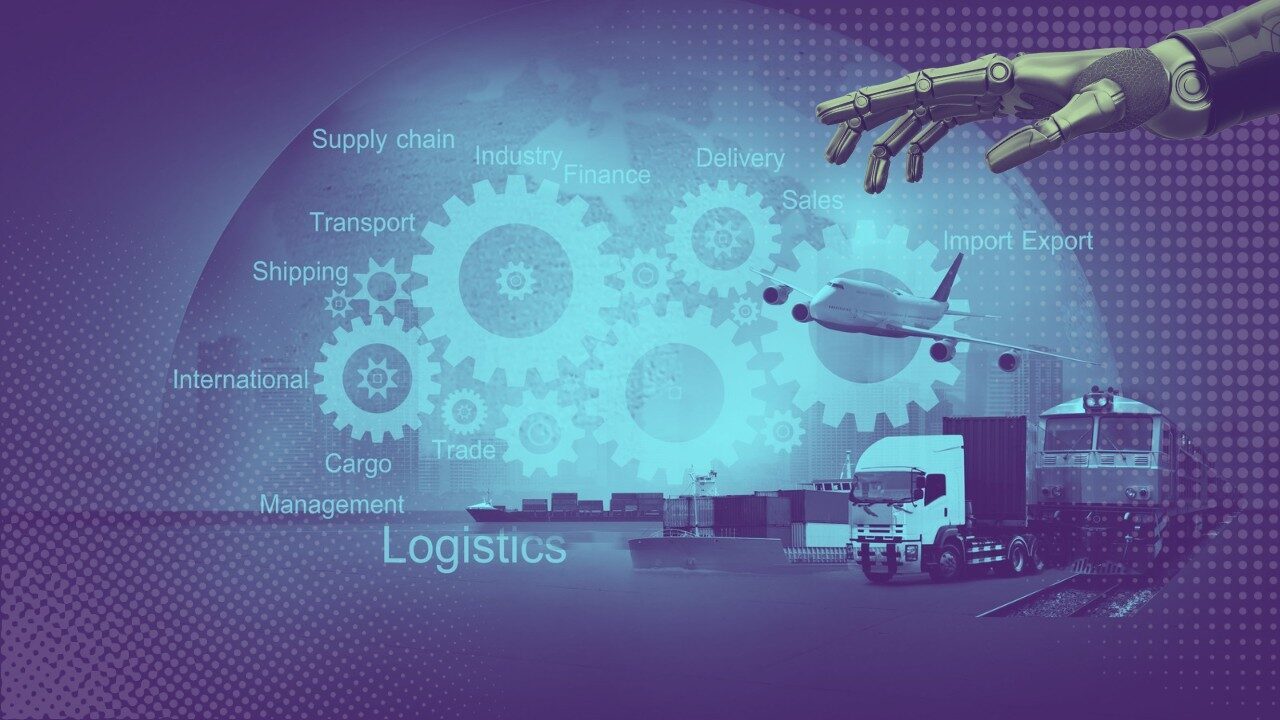
The digital twin offers an X-ray view of supply chains. This living map instantly locates materials and waste, showing you exactly where each resource is.
This clarity makes it possible to hunt down waste. You identify inefficiencies to optimize transport and reduce your carbon footprint, eliminating the losses that weigh on profitability.
This even applies to complex systems, such as urban energy networks.
From static management to dynamic governance
Integrating the digital twin becomes a strategic weapon. It turns static management into dynamic steering, allowing decision-makers to anticipate variations rather than simply react to them.
| Criterion | Traditional approach (Static) | Digital twin approach (Dynamic) |
|---|---|---|
| Flow visibility | Limited, often after the fact | Real-time, end to end |
| Decision-making | Based on historical data, reactive | Based on simulation and prediction, proactive |
| Risk management | Late detection of problems | Anticipate disruptions, test responses |
| Environmental impact | Hard to measure and manage | Continuous measurement of carbon footprint and resources |
The two major barriers to adoption (and how to overcome them)
The data challenge: making the twin’s raw material reliable
If you feed your model poor information, the result will be unusable. That is the iron law of “garbage in, garbage out”. Without clean fuel, the engine stalls immediately.
The real headache lies in collecting reliable, standardized data. Your data often sits idle in IT systems scattered across multiple partners in the value chain. Bringing it all together is a logistical nightmare. Harmonization becomes a battle.
Data quality and interoperability are the true technical foundation.
The human challenge: turning fear of the “black box” into trust
Operational teams are often wary of this tool, which they see as an opaque “black box”. They fear losing their hard-won professional expertise to an algorithm. This distrust paralyzes innovation.
Yet without full team buy-in, even the best tool is doomed to fail. Humans stay at the controls.
To successfully integrate the digital twin in support of the circular economy, these levers are essential:
- Train teams to use the tool and interpret its results.
- Involve operational staff from the tool’s design stage so that it meets their needs.
- Make the tool transparent and explainable to build trust.
- Highlight the concrete benefits for their daily work.
The digital twin is emerging as the indispensable catalyst of the circular economy. By turning data into a lever for action, it makes it possible to move from linear management to continuous regeneration of resources. To make this sustainable revolution real, however, companies will need to overcome the technical and human challenges tied to its adoption.

Julie Bonazzi explores how design, digital and narratives can transform the way organizations deploy and carry out change. A specialist in digital marketing and brand experience, she has spent more than ten years helping companies and entrepreneurial projects build identities, communication strategies and digital ecosystems.
An entrepreneur, she develops an approach in which design, agility and digital culture become levers to make transformations more intelligible and more engaging.
Julie is the co-founder, with Malika Ait El Mouden, of Twin Transformation.fr